Choosing the right roof is an important decision for any property owner. Your roof helps protect the building from rain and wind, influences its appearance and affects how water drains away from the structure.
Two common roofing designs are flat roofs and pitched roofs. Both can provide reliable protection when designed, installed and maintained appropriately, but they have different characteristics, costs and practical considerations.
If you are planning a new roof, building an extension or replacing an existing roofing system in Stockport or Greater Manchester, understanding these differences can help you make an informed choice.
In this guide, Moston Roofing compares flat roofing and pitched roofing, explains the benefits and limitations of each option, and outlines the factors to consider before making a decision.
1. What Is a Flat Roof?
A flat roof has a very low slope rather than the more pronounced angle associated with a traditional pitched roof. Despite the name, a properly designed flat roof generally incorporates a slight fall to help rainwater drain towards outlets or gutters.
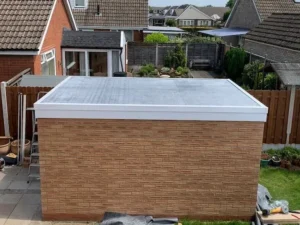
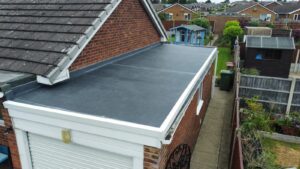
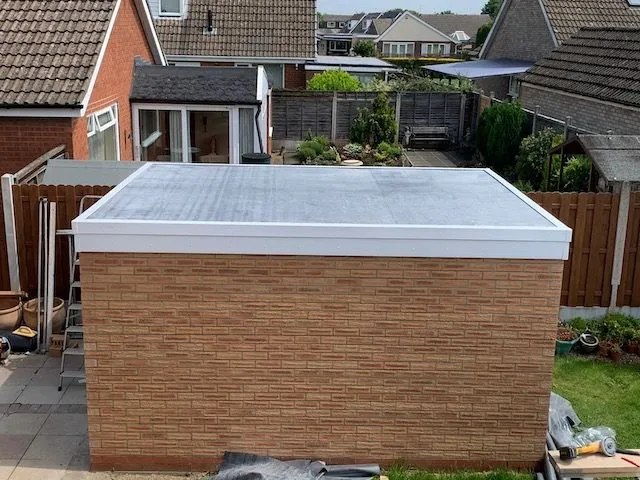
Flat roofs are commonly found on garages, extensions, dormers, porches and certain commercial buildings. They can also be used for modern residential designs where a clean, simple appearance is desired.
The performance of a flat roof depends heavily on its design, waterproofing system, drainage and installation quality.
Common flat roofing materials
Several materials are used for flat roofing, including:
EPDM rubber roofing: A flexible synthetic rubber membrane used on many flat and low-slope roofs. The system’s suitability depends on the roof design, detailing and installation method.
GRP fibreglass roofing: A reinforced waterproofing system that forms a continuous surface when installed correctly. It requires appropriate preparation and detailing.
Felt-based roofing: Modern felt roofing systems can provide a practical waterproof covering when the correct materials and installation methods are used.
Each system has its own requirements, advantages and limitations. The most suitable option depends on the property, budget, roof construction and intended use.
2. What Is a Pitched Roof?
A pitched roof has one or more sloping surfaces designed to direct rainwater towards the roof edges and drainage system.
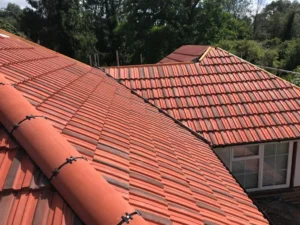
Pitched roofs are common on houses throughout Stockport and Greater Manchester. They may use concrete tiles, clay tiles, natural slate or other suitable materials, depending on the building and its design.
The slope helps rainwater run off the roof, while the supporting structure and roof covering work together to protect the property.
Common pitched roofing materials
Concrete tiles: A widely used option available in a variety of colours and profiles.
Clay tiles: Often selected for their traditional appearance and suitability for many residential properties.
Natural slate: A distinctive roofing material commonly associated with traditional buildings and certain higher-specification projects.
Material choice should take account of the existing roof structure, appearance, weight, budget and maintenance requirements.
3. Flat Roofing vs Pitched Roofing: Key Differences
Although both roof types protect a property from the elements, they differ in several important ways.
Design and appearance
Flat roofs often suit contemporary buildings, extensions and garages. Their simple appearance can complement modern architectural styles.
Pitched roofs provide a more traditional profile and can suit a wide range of residential properties. Their appearance depends on the roof’s shape, pitch, materials and detailing.
The right design is often influenced by the existing property and the appearance you want to achieve.
Rainwater drainage
Pitched roofs use their slope to direct water towards the roof edges, where gutters collect and channel it away.
Flat roofs rely on carefully designed falls, outlets and drainage arrangements. Although the slope is less pronounced, effective drainage remains essential.
Standing water may indicate a drainage or roof-design issue that needs assessment. Persistent ponding should not be ignored, particularly if it is accompanied by leaks or deterioration.