Replacing a roof is a significant investment for any homeowner. Whether your existing roof has developed recurring leaks, the tiles have deteriorated or you are planning improvements to your property, understanding the factors that influence roofing costs can help you plan your budget.
If you are considering a new roof in Stockport or elsewhere in Greater Manchester, the final price will depend on several factors. These include the size and shape of the roof, the materials selected, the condition of the existing structure, access to the property and the amount of labour required.
Every property is different, so there is no single price that applies to every roof replacement. In this guide, Moston Roofing explains what affects the cost of a new roof, how to compare quotations and when replacement may be more appropriate than repairs.
1. What Is the Average Cost of a New Roof?
The cost of a new roof depends on the size of the project and the specification of the finished roof.
A small, straightforward roof may require considerably less work than a large property with several roof slopes, chimneys, valleys and difficult access. Material choice also affects the overall cost, as different roofing systems have different purchase, installation and maintenance requirements.
When requesting a quotation, it is important to establish exactly what is included. One quotation may cover only the replacement of roof coverings, while another may include the removal of existing materials, new battens, a breathable membrane, replacement flashings and waste disposal.
For this reason, comparing prices without comparing the scope of work can be misleading.
Rather than relying on a general online estimate, ask for a property-specific assessment and a written breakdown of the proposed work.
2. What Factors Affect the Cost of a New Roof?
Several elements influence the overall cost of replacing a roof.
Roof size
The size of the roof is one of the most important considerations. Larger roofs generally require more materials and labour, increasing the overall project cost.
Roofing contractors usually assess the actual roof area rather than simply using the property’s internal floor area. Roof pitch, overhangs and the shape of the building can all affect the quantity of materials required.
Roof shape and complexity
A simple roof with uninterrupted slopes is usually more straightforward to work on than a roof containing multiple valleys, dormers, hips and junctions.
Complex roof designs may require additional cutting, detailing and installation work. Areas around chimneys, skylights and adjoining roof sections may also need specialist attention to ensure that they remain weather-resistant.
Roofing materials
The selected materials affect both the initial installation cost and the roof’s long-term maintenance requirements.
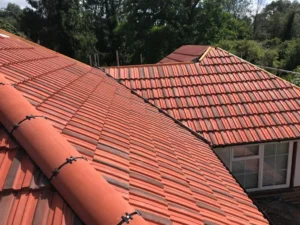
Concrete tiles, clay tiles and natural slate have different costs, weights, appearances and installation requirements. The most suitable option depends on your budget, property style and the roof structure’s ability to support the chosen materials.
Removal of the existing roof
Some replacement projects involve removing old roof coverings before installing the new system. The amount of material to be removed, its condition and the arrangements required for disposal can affect the total cost.
During the inspection, the roofer should explain whether existing materials need to be removed and how waste will be managed.
Roof structure and hidden damage
Once old materials are removed, previously hidden defects may become visible.
Damaged timber battens, deteriorated roof timbers or moisture-related problems may require attention before the new covering can be installed.
Not every roof needs structural repairs, but it is important to understand how unexpected defects will be assessed and priced if they are discovered during the work.
Access and scaffolding
Safe access is essential for roof replacement. The height of the building, access to the sides of the property, nearby obstacles and the space available for equipment can affect the installation arrangements.
Scaffolding and other access equipment may form part of the overall quotation. Ask whether these costs are included so you can compare proposals accurately.
3. Which Roofing Materials Should You Consider?
Choosing roofing materials involves more than comparing purchase prices. You should also consider durability, appearance, weight, maintenance and suitability for your property.
Concrete roof tiles
Concrete tiles are widely used on residential properties and are available in different colours and profiles.
They can provide a practical option for homeowners looking for a familiar tiled roof appearance. However, the finished cost depends on the chosen product, installation requirements and condition of the existing roof structure.
Clay roof tiles
Clay tiles are available in a variety of styles and finishes. They can complement traditional properties and offer a distinctive appearance.
The initial cost and installation requirements vary according to the type of tile and roof design. Suitability should be assessed before choosing a replacement covering.
Natural slate
Natural slate is often selected for its traditional appearance and long service life when properly specified and maintained.
It may have a higher initial cost than some alternative coverings. The weight, fixing requirements and condition of the roof structure should be considered as part of the assessment.
Flat roofing materials
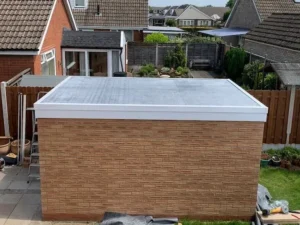
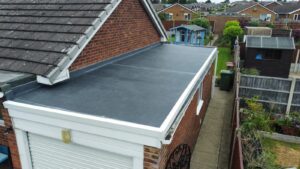
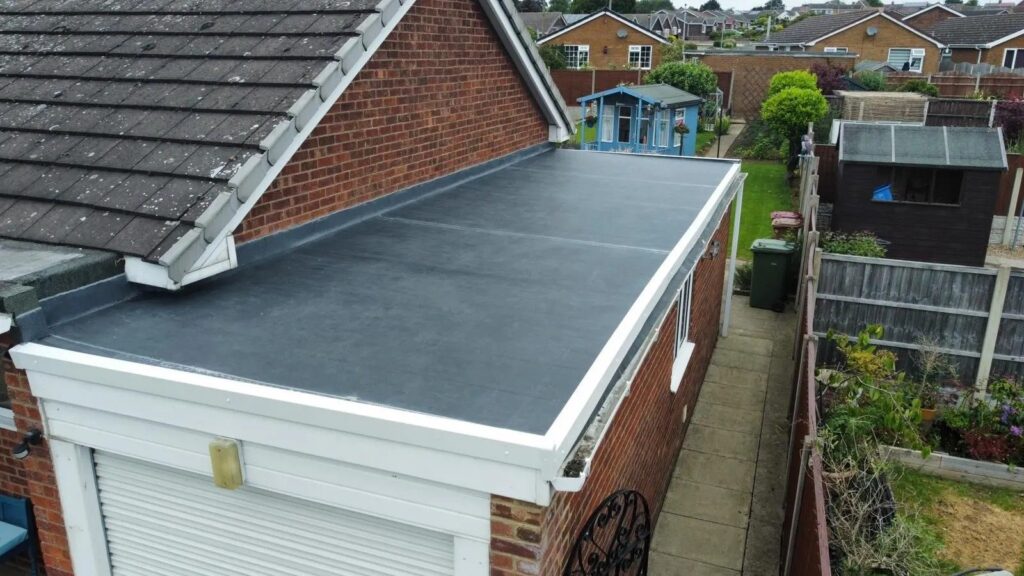
Flat roofs require materials and installation methods appropriate to their design. Common systems include felt-based coverings, EPDM rubber membranes and GRP fibreglass systems.
Each option has its own installation, detailing and maintenance requirements. The best choice depends on the roof’s construction, drainage, intended use and budget.
Not every material is suitable for every building. A professional assessment can help you choose a system that meets your property’s requirements.
4. Should You Repair Your Existing Roof or Replace It?
Roof replacement is not always necessary when a problem develops. In some situations, targeted repairs may restore the roof’s performance without the cost of a complete replacement.